Why Are There Maggots in My Trash Can?
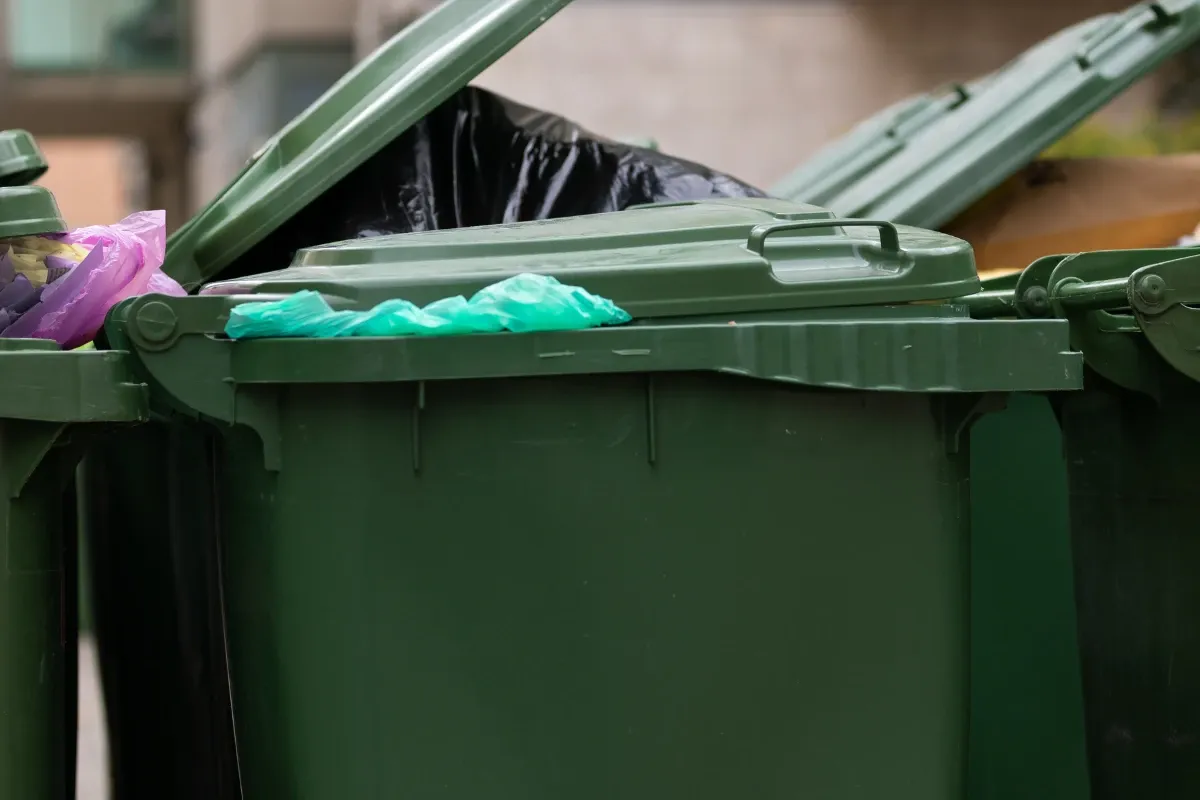
Finding maggots crawling around the bottom or sides of your trash can is unpleasant, but the reason they are there is usually straightforward: flies found a suitable place to lay eggs. Food scraps, leaking garbage bags, organic residue, moisture, and warm conditions can all make a garbage bin attractive to flies.
Cleaning up the waste that attracted them is one of the most useful steps you can take. For homeowners in Town and Country, professional trash can cleaning can also provide a more thorough option when a quick rinse is not removing the residue, grime, and odors left inside the bin.
Here is what causes maggots, what you can do when you find them, and how to make your trash cans less appealing to flies in the future.
Why Maggots Appear in Garbage Cans
Maggots are fly larvae. Adult flies search for places where their offspring will have access to decomposing organic material, and household garbage can provide exactly that environment.
The issue is usually not the trash can itself. It is the material inside or stuck to it.
Common conditions include:
Food scraps exposed inside the bin
Meat, fish, or other organic waste
Garbage bags that leak or tear
Liquids collecting at the bottom
Food residue stuck to the walls or lid
Moisture combined with organic buildup
A lid that is left open or does not close properly
Waste remaining in the container for extended periods
A seemingly empty trash can can still attract flies if yesterday's garbage left a film of food, liquid, or other organic material behind.
How Do Flies Get Into a Closed Trash Can?
A closed lid helps, but it does not necessarily create an airtight seal.
A fly may enter while you are throwing something away, through a partially open lid, or through gaps around a lid that does not close completely. Flies may also reach food waste before it ever enters the outdoor cart.
Once eggs are deposited near an accessible food source, the larvae can become noticeable later. That is why it can seem as though maggots appeared suddenly, even when you thought the bin had been closed.
Keeping the lid shut remains worthwhile. Just remember that a closed lid works best as part of a broader approach that includes containing food waste and removing residue from the container.
Why Maggot Problems Can Be Worse During Warm Weather
Heat can make the conditions inside a garbage can particularly unpleasant. Food and other organic waste can break down faster in warmer conditions, while moisture and leaked liquids can create additional residue.
That makes summer maintenance especially useful in Missouri. You may notice odors developing sooner or find that food waste requires more careful handling during stretches of hot weather.
Warm weather does not guarantee a maggot problem. It simply means that keeping food contained, reducing leaks, and cleaning buildup promptly can become more important.
What Should You Do If You Find Maggots in Your Trash Can?
The first goal is to remove the material that is feeding or attracting them.
Whenever practical, deal with the problem after the garbage has been collected so you have an empty container to work with. Avoid simply placing another full bag on top of old residue.
Remove Remaining Garbage and Organic Debris
Check the bottom, corners, lid, and interior walls for scraps or material that may have escaped from a bag.
Wear household cleaning gloves and avoid handling decomposing waste with bare hands.
Clean Away Stuck-On Residue
A garden hose can remove loose material, but dried or greasy residue may require additional cleaning and scrubbing.
Pay particular attention to seams, corners, the underside of the lid, and the bottom of the cart. These areas can hold material even when the bin looks relatively clean from the outside.
Follow Product Directions Carefully
If you use a household cleaner, follow the manufacturer's directions and confirm that it is appropriate for the surface you are cleaning.
Never mix household cleaning chemicals. Certain combinations can produce dangerous fumes.
Let the Bin Dry When Possible
Standing moisture can contribute to an unpleasant environment inside the cart. After cleaning, allowing the bin to drain and dry before adding new garbage can help reduce leftover moisture.
Why Rinsing With a Hose May Not Solve the Whole Problem
A hose is useful. It can wash away loose debris, visible dirt, and some surface residue, and homeowners can certainly maintain their own trash cans successfully.
The limitation is that water alone may not remove material that has adhered to the bin.
Grease, decomposed food, sticky liquid, and grime can remain on the walls or bottom even after the water running out of the bin looks clear. If that organic material remains, odors may persist and the container may continue to offer flies something worth investigating.
Professional cleaning is intended to provide a more thorough option rather than simply repeating the same basic rinse.
At Fresh Bins, our service includes interior washing, exterior scrubbing, sanitizing, and deodorizing. We use specialized equipment, hot water, and eco-friendly cleaning solutions, and our self-contained cleaning unit reclaims wastewater generated during the process for appropriate disposal.
How to Make Your Trash Can Less Attractive to Flies
No cleaning method can guarantee that flies or maggots will never return. New garbage goes into the container every week, so new food residue and odors can always develop.
You can, however, reduce the conditions that attract them.
Tie Garbage Bags Securely
Closing bags securely helps contain food scraps and liquids instead of leaving them exposed inside the outdoor cart.
Before carrying a bag outside, check for obvious tears or leaks.
Be Careful With Wet Food Waste
Liquids from food waste can escape a damaged bag and collect at the bottom of your cart. Once there, the material may remain after the garbage truck empties the bin.
Containing especially messy waste before putting it into your household garbage can reduce how much residue reaches the cart.
Keep the Lid Closed
Close the lid after adding garbage and make sure bags are not preventing it from shutting.
If the lid or cart is damaged, check with your waste provider about available repair or replacement procedures.
Do Not Ignore Leaks
A torn bag may leave only a small amount of liquid behind, but repeated leaks can create substantial buildup over time.
If you see material stuck in the bin after collection, removing it sooner is generally easier than allowing multiple weeks of grime to accumulate.
Clean the Bin Periodically
There is no universal cleaning schedule that works for every household.
A home that produces substantial food waste or frequently experiences leaking bags may want more frequent cleaning. A household with less waste may find that occasional cleaning is sufficient.
Fresh Bins offers monthly, quarterly, and one-time cleaning options, giving homeowners different ways to handle routine maintenance or an occasional deep clean.
Can Cleaning Your Trash Can Prevent Maggots Completely?
No. Keeping your bin cleaner can make it less attractive to flies by removing food residue and other organic material, but it cannot guarantee that flies will never enter the container or lay eggs.
Even a freshly cleaned trash can begins collecting new waste as soon as you use it again.
Think of cleaning as one part of prevention. Your day-to-day habits matter too:
Keep food waste contained.
Use bags that are appropriate for the amount and type of garbage.
Close bags securely.
Keep the cart lid closed.
Address leaks rather than allowing liquids to accumulate.
Remove residue when you notice it.
That approach is more realistic than expecting any single cleaner or service to permanently solve a pest problem.
Useful Resources for Keeping Garbage Bins Cleaner
A few household products and authoritative resources can help with routine bin maintenance between deeper cleanings. These are general consumer options and resources, not products that Fresh Bins claims to use or endorse.
Glad Trash Bags
Using appropriately sized, leak-resistant garbage bags can help keep food scraps and liquids contained before they reach your outdoor cart. Glad offers several bag sizes and designs intended for different household waste needs.
Glad Heavy Duty ForceFlex Bags
For heavier waste, a stronger bag may help reduce tears and leaks. Choose a bag that fits your indoor or outdoor waste setup rather than assuming one size is suitable for every cart.
EPA Safer Choice
The U.S. Environmental Protection Agency's Safer Choice program helps consumers identify cleaning products that meet EPA criteria for ingredient safety and performance. It can be a useful starting point if you are comparing household cleaning products.
EPA Safer Choice Product Search
EPA also maintains a searchable list of products that meet the Safer Choice Standard. You can filter available options, including products identified for outdoor use. Always follow the selected product's instructions and confirm that it is appropriate for your intended surface and application.
When Professional Trash Can Cleaning Makes Sense
DIY cleaning may be perfectly adequate when your container has a little loose debris or needs an occasional rinse.
Professional cleaning can be useful when food residue, accumulated grime, liquids, or persistent odors have made the bin difficult or unpleasant to clean manually.
Our process is designed to fit into the regular trash-day routine. Customers leave the designated bins at the curb, and we clean them after trash collection. We provide interior and exterior cleaning and return the bins to the curb or designated location after service. Customers also receive service text notifications.
That can be particularly convenient after a maggot problem because the issue is rarely limited to the insects you can see. Removing the food and organic residue that created favorable conditions in the first place is the more useful long-term maintenance step.
Frequently Asked Questions About Our Trash Can Cleaning Service
What does your trash can cleaning service include?
Our trash can cleaning service is designed to remove the dirt, grime, food residue, and other mess that can build up inside your trash cans. We wash the inside of the cans, scrub the exterior, sanitize the surfaces, and deodorize the bins to help with odor control.
Our specialized equipment and hot-water washing services provide a deeper clean than a quick rinse with a garden hose. The goal is to give homeowners clean cans that are easier and more pleasant to use around the house. While bin cleaning cannot make a trash can permanently odor-free, regular cleaning can help remove the buildup that causes many bad smells.
When do you clean my trash bins?
We normally schedule service around your regular trash day. After your waste company empties the trash bins, leave the cans at the curb or designated location so our team can clean them.
You do not need to be home for the appointment. Our team will arrive, complete the job, and return the bins to the curb or designated area. This makes professional trash bin cleaning service a convenient option for a busy homeowner or family.
If your collection schedule changes or you have questions about an upcoming cleaning, contact our team so we can help.
Can you clean both trash cans and recycling bins?
Yes. Customers can choose the household bins they want cleaned, including regular trash cans and recycling bins. You do not have to sign up for every can at your property.
Recycling bins can become dirty and smelly too, especially when food or drink residue is left on containers. A leaking trash bag can create an even bigger mess in a garbage can. Cleaning both types of bins can help maintain better cleanliness around your residential property.
Our regular residential service is designed for household carts. If you need washing services for large commercial dumpsters or another type of container, contact us first so we can determine whether we can serve your needs.
How does professional bin cleaning help with smells, germs, and pests?
Food, liquids, dirty diapers, and other garbage can leave material behind after the trash is collected. Over time, that buildup may create odor and can provide food for flies, insects, animals, and other pests. Flies may also lay eggs around accessible organic waste, which can lead to maggots.
Professional bin cleaning helps get rid of much of the residue by washing, sanitizing, and deodorizing the can. Cleaning may also reduce bacteria and germs that remain on dirty surfaces. Organisms such as E. coli and Salmonella are among the reasons people pay attention to sanitation around waste, although no cleaning service can guarantee that a bin will stay free of bacteria after new trash is added.
Regular cleaning and good habits, such as tying each bag securely and keeping the lid closed—work together to help prevent conditions from getting worse.
Is your bin cleaning process eco-friendly?
We aim to provide an eco-friendly way to clean residential bins while controlling the dirty water created during the cleaning process. Our equipment is designed to collect wastewater so it can be handled appropriately instead of simply washing grime and waste down the street.
We also use cleaning solutions as part of our process to clean, sanitize, disinfect, and deodorize the bins. Homeowners should still follow normal waste rules and make sure trash is properly contained before collection.
For additional resources about safer household cleaning products, homeowners can also review programs such as EPA Safer Choice.
How often should I schedule trash can cleaning?
The best schedule depends on your household and lifestyle. A house with a large family, frequent food waste, diapers, leaking garbage bags, or smelly cans may benefit from cleaning more often. Other residents may only need occasional service.
Fresh Bins offers monthly, quarterly, and one-time cleaning options, so customers can choose a plan based on how quickly their cans become dirty. Regular cleaning can help maintain the bins before thick grime and strong odor build up.
There is no sign that every household needs the same schedule. Choose the option that provides the right balance of cleanliness, convenience, and cost for your home.
What should I do before my cleaning appointment?
The process is simple. On your scheduled trash day, make sure the designated cans are emptied and available for our team. Remove anything the waste company left behind when possible, and do not place a new trash bag in the can before we arrive.
Our team will handle the cleaning equipment and the dirty part of the job. You generally do not need to head outside or be at home while the service is completed.
If something changes before your appointment, such as your collection being missed, your cans being moved, or your schedule changing, contact us. Good communication helps us provide the reliability and professionalism our customers and neighbors expect from a local business.
How do I sign up, choose a plan, or confirm that you serve my location?
You can contact Fresh Bins to choose a recurring plan or request a one-time cleaning. We provide residential bin cleaning in Town and Country, St. Louis-area communities, and other locations we serve in Missouri. Your service date is based in part on your location and normal trash collection schedule.
If you found Fresh Bins while searching for a cleaning service in Johnson County or another Missouri community, contact our team to confirm whether your specific address is currently within our service area.
Customers can also ask about the number of cans they want cleaned, their preferred plan, scheduling, and payment before service begins. We want the process to be clear and easy from the first contact through each completed cleaning.
Whether you have fresh spills, old grime, a smelly trash can, or cans that simply need routine care, our goal is to remove the mess and make trash day easier. Clean bins will still collect new waste during normal life, but regular service can help maintain them and keep unpleasant odors, insects, and pests from having as much buildup to work with.
Keep Food Residue and Buildup From Taking Over Your Bin
Maggots are usually a sign that flies found accessible organic material in or around your garbage. Removing the waste, cleaning away residue, controlling leaks, and keeping your lid closed can make the container less inviting.
If you would rather have accumulated grime professionally cleaned, our trash can cleaning service is available for households in Town and Country, MO. Fresh Bins offers recurring and one-time options that fit around normal trash collection.
To discuss service or your next cleaning, call Fresh Bins at 636-317-5765 or Contact Us.


